
Protecting Public Health with
Comprehensive Water Safety Solutions.
What is a Water Safety Program?
- Legionnaires' disease is a severe, pneumonia-like form of Legionellosis that can cause serious and sometimes deadly complications. With heightened concern over Legionella and the potential for Legionnaires disease, facilities are turning to RMC for Water Safety Solutions that manage not only Legionella bacteria risk, but the risk from other waterborne pathogens as well.
- A Water Safety Program (WSP) minimizes the risk from Legionella bacteria and other water borne pathogens by providing all the components necessary to understand, detect, and remediate dangerous pathogens in water systems. A WSP requires specialized knowledge, efficient processes, consistent service, stakeholder involvement, thorough documentation, and, when necessary, remediation. RMC is equipped to provide all of these and more in a comprehensive Water Safety Program that encompasses all water systems in a facility.
- RMC’s goal is to protect public health by developing comprehensive Water Safety Programs (WSPs) for our community. These programs incorporate the solutions listed below to assess water systems for risk, utilize on-site automated Legionella testing to deliver results within four hours, and initiate automatic remediation when needed to prevent Legionnaires’ disease. Our WSPs also include the development of Water Safety Plans, cleaning and disinfection of cooling towers and domestic water systems, Point-of-Use (POU) filters, culture testing for Legionella, and ST108 implementation.
Comprehensive Solutions for All Water Systems
Water Management Plans
ASHRAE 188 compliance, risk assessment, control measures, documentation.
BioAlert
On-site automated Legionella testing with same-day results.
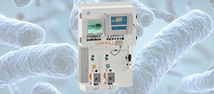
Sani-Kill Monochloramine
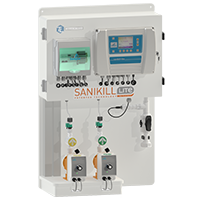
Patented domestic water disinfection technology.
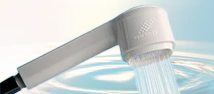
Point of Use Filters
2-micron filtration for high-risk areas.

Bacteria Testing
HPC, Legionella, Mycobacteria, Endotoxin testing.

Domestic Water Disinfection/ Remediation
New construction & outbreak response.
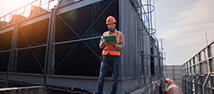
Cooling Tower Cleaning & Disinfection
Regulatory compliance and efficiency improvement.
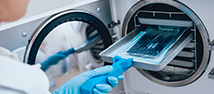
ST108 Compliance Support
Medical device water quality standards.
Why Choose RMC?
- ASSE Certified Water Safety Experts
- Nationwide service coverage
- Proven track record with healthcare, hospitality, and industrial facilities
-
Advanced technology integration
Water Management Plans
- Our Water Management Plan (WMP), developed in compliance with ASHRAE Standard 188, includes a comprehensive risk assessment of all water systems within your facility. This assessment identifies high-risk areas, establishes control measures to mitigate those risks, outlines testing procedures and frequencies to ensure those measures are effective, and provides a framework for ongoing documentation and review to confirm the program’s continued success.
- The first step in a WMP is to develop a team that can include Engineering/Maintenance, a Water Safety Specialist, Infection Prevention, Risk Management and Senior Leadership to develop, manage and document the plan.
It is our intention to provide the best in class service and technology to keep your employees, guests, patients and visitors safe from waterborne pathogens.
BioAlert
BioAlert enables a facility to proactively protect the community and facility occupants, minimizing the risk of litigation and protecting your brand.
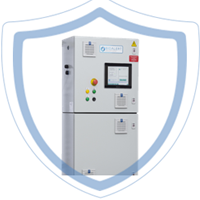
The BioAlert is an on-site "laboratory" that automatically and frequently collects water samples for Legionella testing. Same-day results provide timely insight into the presence of this dangerous pathogen, allowing for remediation before it reaches hazardous levels.

Sani-Kill Monchlormamine
- Monochloramine – the most effective siupplemental disinfection for domestic water on the market.
- Specifically designed and patented for hot water systems, which are the most likely systems to grow Legionella bacteria.
- Numerous size units for all size systems. Don’t pay more than needed - no more one size fits all systems.

Point of Use Filters
- Point of Use, 2 micron filters remove gram negative bacteria and viruses down to < 2 micron.
- Used in high risk areas on a regular basis; burn units, ICU, CCU, NICU, bone transplant and cancer units to minimize the risk of infection from all water borne pathogens.
- Use in cases of an outbreak to protect the community, patients and employees while remediation takes place.
Bacteria Testing
Types of bacteria tests & definitions:
- HPC – heterotrophic plate counts are a measure of the total bacteria in a water system. An HPC test can be performed on-site, or for more specific, accurate results, in a laboratory.
- Legionella – Legionella is a gram negative bacteria that can cause severe pneumonia in people as they inhale the bacteria into their lungs from an aerosolized water mist. RMC provides a CDC accredited laboratory test for the various species of live Legionella bacteria.
- Mycobacteria- mycobacteria resides in water and can also cause severe respiratory illness when inhaled into the lungs. Mycobacteria tests are completed in a laboratory. This type of bacteria is resistant to high heat and chlorine remediations.
- Endotoxins – a type of toxin produced by gram negative bacteria, which is a part of the outer membrane of a bacteria. The toxin is released when bacteria is disrupted or die. They can trigger a strong immune response in humans potentially leading to fever, inflammation and even sepsis. Endotoxins are also known as lipopolysaccharides (LPS) and the test for this material is conducted in a laboratory setting.
Domestic Water Disinfection / Remediation
- Domestic Water Disinfection is required during the new construction process and when there is a high Legionella or waterborne pathogen bacteria count that cannot be lowered by flushing.
- Bringing the chlorine levels in the domestic water system up to 200 ppm as the water is flushed through each fixture, kills bacteria in the system and ensures its safety for use.
- RMC has completed hundreds of domestic water disinfections nationwide in both new construction situations and during Legionella remediation. We have the expertise to help you ensure closure of all water systems while the disinfection takes place and the manpower to assist you in flushing all fixtures and testing for compliance.
Cooling Tower Cleaning & Disinfection
- In New York State (NYS) and New York City (NYC), cooling tower disinfections and cleanings are required twice a year to minimize Legionella and other bacteria growth.
- Cooling tower cleaning should be performed nationwide to minimize bacteria growth which helps protect the community from the risk of Legionnaire's disease. Cleaning also helps minimize biofilm in the system, which prevents reduced heat transfer efficiency and avoids increased electricity and fuel costs.
- RMC has the experience, competitive pricing, and procedures to perform cooling tower cleanings and disinfections.
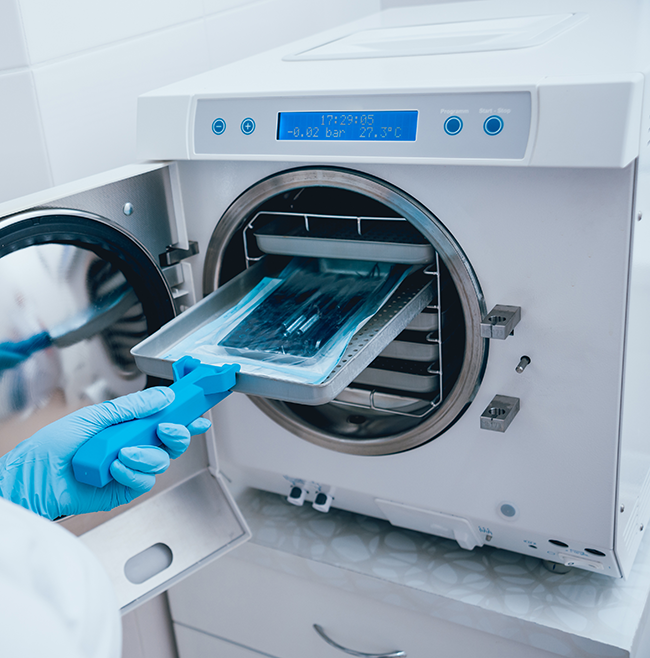
ST 108:2023 Water for the processing of medical devices standard
- Establishes minimum requirements for the water quality used in instrument processing.
- Includes point of use filtration, cleaning, rinsing, disinfection, and sterilization of instruments.

ST108:2023 Standard addresses:
- The Responsibility for the water management program.
- Adverse effects of water impurities.
- Categories and requirements of water quality.
- Selection of water of the appropriate quality.
- Purity requirements of water used to generate steam.
- Consideration for ongoing quality improvement of the water treatment.
- Troubleshooting for water quality issues.